
ARCED Insights
How Often Should a UPS Be Maintained?
A practical maintenance schedule for UPS systems in data centers, offices and industrial sites, and the warning signs that mean you should not wait.
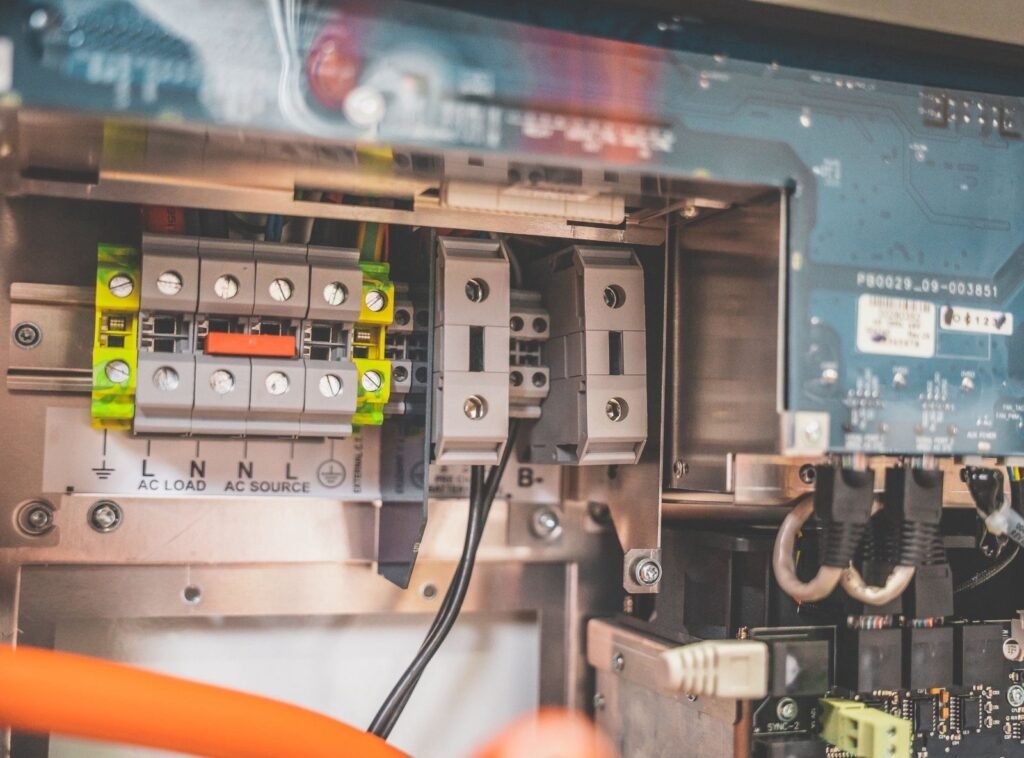
A UPS sits quietly for months, then has a few seconds to prove itself when the power fails. Most UPS failures during an outage trace back to things a maintenance visit would have caught: aging batteries, dust-clogged fans, loose connections, or a unit that has quietly been running on bypass.
A practical schedule
The right interval depends on how critical the load is, the size of the system, and the room it sits in. As a starting point:
- Monthly: a quick visual check by your own staff. Look at the display for alarms, confirm the unit is in normal mode (not bypass), and note the room temperature.
- Every 6 months: preventive maintenance by a qualified technician for most commercial sites, including cleaning, inspection, battery checks and a review of alarm and event logs.
- Every 3 months: for data centers, hospitals, telecom sites and other facilities where downtime is not an option.
- Every year: thermal scanning of the UPS, distribution panels and battery connections, plus a planned runtime or load test where the system allows it.
Always follow the manufacturer's recommendations for your specific model as well.
What a maintenance visit should cover
- Visual inspection and cleaning of fans, filters and internal components
- Checking and tightening power and battery connections
- Battery voltage and impedance testing, battery by battery
- Reviewing alarm history and event logs
- Verifying input, output and bypass readings against the connected load
- Checking capacitors, fans and other parts that wear out over time
- A written report with findings and recommended actions
Batteries are the weak point
Batteries are the most common cause of UPS failure. Sealed lead-acid (VRLA) batteries in UPS systems typically last about 3 to 5 years in real conditions, and heat shortens that sharply. A widely used rule of thumb is that battery life is roughly halved for every 8 to 10 °C of continuous operation above 25 °C. Keeping the UPS room cool and testing the batteries regularly is the cheapest way to avoid a failure during an outage.
Signs you should not wait for the next visit
- The UPS is beeping or showing a battery or fault alarm
- Runtime during a power interruption was shorter than expected
- The unit switched to bypass on its own
- Batteries look swollen, are leaking, or feel hot
- The room has been running warm, or the aircon serving it has failed
- The batteries are over 4 years old and have not been tested recently
How ARCED can help
ARCED handles UPS site surveys, supply, installation, preventive maintenance, battery testing and replacement for facilities across Metro Manila. If you are not sure when your UPS was last checked, we can inspect it and give you a clear report and maintenance plan. Learn more about our UPS Services and Battery Impedance Testing.
Contact us
Let’s talk about your facility
For inquiries, consultations, project estimates, and service requests.
Office address
Unit 2B, 2nd Floor, Q Plaza Commercial Bldg., Congressional Ave. corner Mindanao Ave., Brgy. Bahay Toro, Quezon City
Contact nos.